


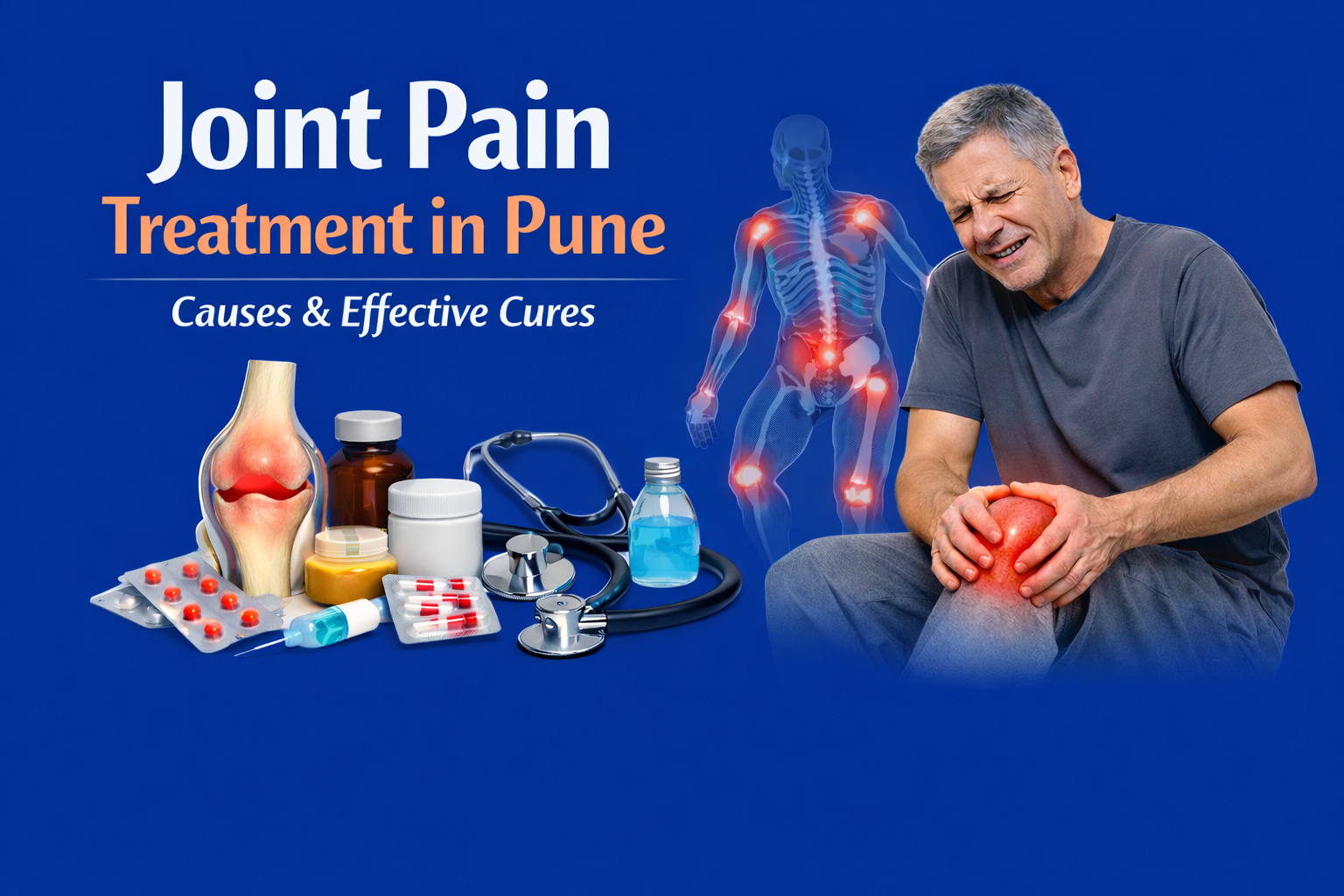
Joint Pain Treatment in Pune – Causes & Effective Cures
Joint pain is one of the most common health issues affecting people of all ages. Whether it’s a dull ache after walking or sharp knee pain when climbing stairs, painful joints can make everyday movement challenging. In Pune, where lifestyles, work habits, and physical activity levels vary widely, joint pain treatment in Pune is essential for maintaining mobility and quality of life.
we will explore the main causes of joint pain, evidence-based treatment options (including non-surgical joint pain treatment Pune), and practical strategies for joint pain relief in Pune recommended by expert orthopedic specialists like Dr. Snehal Dalal.
Understanding Joint Pain
Before effective treatment can begin, it is important to understand what happens in your joints.
Joint pain, or “arthralgia,” is discomfort, tenderness, or inflammation in any joint of the body. Commonly affected areas include knees, hips, shoulders, and hands. Among these, the knees are most frequently symptomatic due to daily weight-bearing activities.
Joint pain is a symptom rather than a disease itself. Common triggers include:
- Wear and tear of cartilage (osteoarthritis)
- Inflammation from autoimmune conditions like rheumatoid arthritis
- Injury to ligaments or bones
- Repetitive strain or overuse
- Lifestyle factors such as poor posture, inactivity, or excess weight
In Pune, joint pain is often influenced by long office hours, commuting stress, sports injuries, and age-related cartilage wear. Understanding these factors is crucial for effective joint pain therapy in Pune.
Causes of Joint Pain in Pune
1. Osteoarthritis
Osteoarthritis is the most common cause of joint pain in Pune. It occurs when cartilage the protective tissue at the ends of bones, gradually wears away, resulting in bone friction, stiffness, and discomfort. While commonly associated with aging, sedentary lifestyles, improper exercise, and poor posture can also trigger osteoarthritis in younger adults.
2. Injury and Overuse
Joint pain is not always arthritis. Repetitive strain, minor ligament tears, and improper posture can cause inflammation and chronic discomfort. Sports injuries and workplace strain are frequent contributors.
3. Rheumatoid and Autoimmune Diseases
Autoimmune conditions like rheumatoid arthritis cause the immune system to attack joint tissues. Though less common, these conditions are serious and require specialized pain management for joints Pune.
4. Lifestyle Factors
Excess weight increases stress on joints, especially knees and hips. Sedentary habits, poor nutrition, and lack of exercise significantly contribute to joint discomfort in Pune.
Diagnosing Joint Pain
Accurate diagnosis is the foundation of effective joint pain treatment in Pune.
A thorough assessment includes:
- Detailed medical history
- Physical examination of affected joints
- Imaging tests like X-rays or MRI if required
- Laboratory tests to detect inflammation or autoimmune issues
Correct diagnosis ensures that treatment addresses the underlying cause rather than just alleviating symptoms. Misdiagnosis can lead to long-term pain and ineffective use of medications.
Non-Surgical Joint Pain Treatment in Pune
Most joint pain cases can be managed without surgery. Conservative approaches are often the first recommendation, particularly for chronic conditions like osteoarthritis.
1. Physical Therapy and Targeted Exercise
Physical therapy is the cornerstone of effective joint pain treatment in Pune. A physiotherapist can design exercises to strengthen muscles around the joints, improve flexibility, and correct movement patterns.
Strengthening quadriceps, hamstrings, and hip muscles reduces stress on the knee and hip joints, easing discomfort. Low-impact activities such as walking, swimming, and yoga improve mobility and support long-term joint health. Dr. Snehal Dalal emphasizes that regular guided exercise often prevents progression and reduces the need for medications.
2. Bracing and Supportive Devices
Knee braces and orthotic supports redistribute weight, reduce friction, and improve stability. For individuals suffering from knee pain or osteoarthritis, these devices offer immediate relief and allow better mobility. In Pune, where walking on uneven surfaces is common, braces can make a significant difference in daily comfort.
3. Medications
Short-term use of medications like acetaminophen or NSAIDs can reduce pain and inflammation. However, long-term use should always be supervised by a doctor to prevent side effects. Often, topical pain relief creams combined with other treatments provide more effective results than prolonged oral medications.
4. Joint Injections
For persistent joint pain that does not respond to conservative measures, injections may be recommended.
- Corticosteroid injections quickly reduce inflammation.
- Hyaluronic acid injections improve lubrication, and enhance joint mobility.
Decisions about injections should be guided by specialists like Dr. Snehal Dalal, based on examination and imaging results.
5. Lifestyle and Nutrition
Lifestyle changes are crucial for joint pain relief in Pune. Maintaining a healthy weight reduces stress on weight-bearing joints like the knees. Even small reductions in weight can significantly improve mobility.
A diet rich in anti-inflammatory foods, omega-3 fatty acids, and essential vitamins like D and calcium supports joint and bone health. Adequate sleep and stress management also improve pain perception and recovery.
When Surgery Becomes Necessary
Surgery is not the first choice for joint pain. However, it may become necessary when:
- Structural damage is severe
- Conservative treatment fails over time
- Pain significantly affects daily life
- Functional limitations persist
Joint replacement procedures, such as knee or hip replacements, can dramatically improve quality of life. Orthopedic specialists in Pune evaluate each case individually, ensuring surgery is recommended only when conservative treatments fail.
Practical Tips for Joint Pain Relief in Pune
- Stay Active: Movement helps more than rest. Walking, swimming, and yoga improve joint lubrication and strengthen supporting muscles.
- Eat for Joint Health: Focus on anti-inflammatory foods and avoid processed foods.
- Maintain Healthy Weight: Even small reductions in weight decrease joint stress.
- Warm-Up Before Exercise: Prepares joints and muscles for activity and prevents injury.
- Correct Posture: Reduces unnecessary stress on hips, knees, and back, especially for office workers.
- Prioritize Rest: Allow joints and muscles to recover after activity to prevent flare-ups.
With consistent care and guidance from specialists, most cases of joint pain in Pune can be managed effectively without surgery.
Knee Pain Treatment in Pune – Key Takeaways
- Knee pain is not inevitable with age.
- Early intervention with knee pain treatment in Pune leads to better outcomes.
- Evidence-based physical therapy, supportive devices, and lifestyle adjustments often outperform long-term medications.
- Surgery is valuable but considered only when conservative measures fail.
Expert orthopedic specialists like Dr. Snehal Dalal provide personalized care, combining exercise, therapy, lifestyle guidance, and medical intervention for the best results.
Conclusion
Joint pain is common but treatable. For anyone seeking joint pain treatment in Pune, early intervention with evidence-based approaches is essential. Combining lifestyle changes, physiotherapy, supportive devices, and guided medical treatment ensures lasting relief and improved mobility.
Consulting a specialist like Dr. Snehal Dalal guarantees that the treatment plan addresses the root cause, not just the symptom, giving patients the best chance for pain-free, active living.
Frequently Asked Questions (FAQ)
- What are the early signs of joint problems?
Stiffness, mild pain, or swelling, especially after activity or long rest. - Can joint pain be fully cured?
Some conditions are manageable; proper care can reduce pain and improve movement. - How long does therapy take to show results?
Many see improvement in a few weeks; chronic issues may take months. - Are joint injections safe?
Yes, when done by a specialist, risks are minimal. - What lifestyle changes help joints?
Maintain healthy weight, stay active, eat well, and keep good posture.