


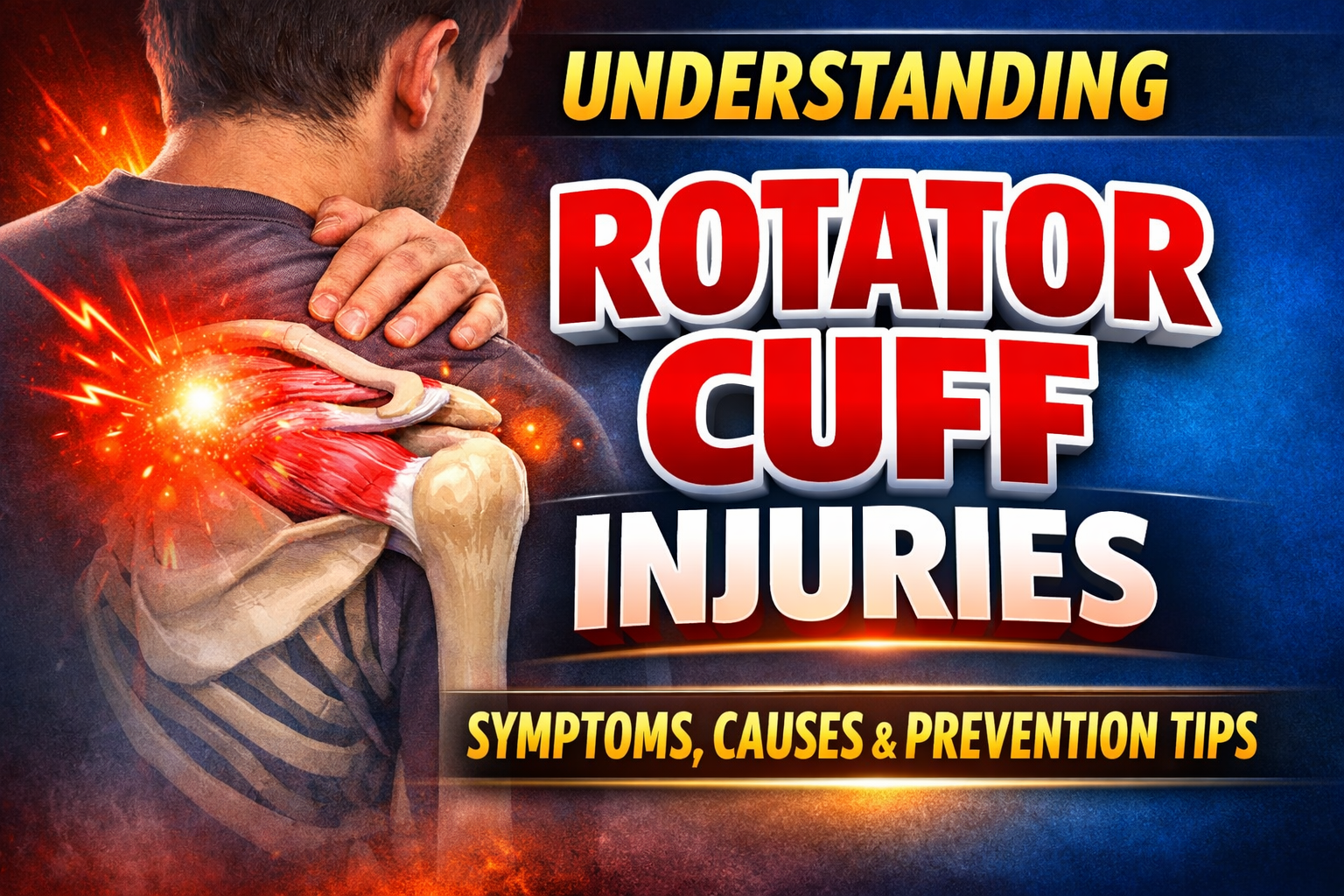
Rotator cuff injuries are the most diverse and commonplace reasons for persistent shoulder ache and constrained motion. These accidents are frequently visible in athletes, fitness fans, and people whose daily activities entail repetitive overhead sports. Even routine obligations like lifting devices, combing hair, or conducting overhead can emerge as painful and difficult.
At Orthos Centre, shoulder situations are managed with precision and affected person- centric care beneath the steering of Dr. Shrikant Dalal, a surprisingly experienced preferred orthopedic practitioner who appeared for advanced shoulder treatments and minimally invasive surgical techniques.
What Is a Rotator Cuff Injury?
The rotator cuff is a collection of 4 muscle groups and tendons that stabilize the shoulder joint and allow clean arm motion. Injury to one’s tendons—because of overuse, degeneration, or trauma—can result in inflammation, partial tears, or entire tendon rupture.
Symptoms of a Rotator Cuff Injury
Rotator cuff accidents may, moreover, additionally amplify frequently or arise . Common symptoms encompass:
1. Persistent Shoulder Pain
A deep, aching pain in the shoulder is frequently the earliest sign. The pain normally worsens:
- While lifting the arm
- During overhead sports
- At nighttime, especially when mendacity on the affected facet
2. Shoulder Weakness
Many patients enjoy reduced energy, making it tough to:
- Lift gadgets
- Comb hair
- Reach immoderate cabinets
3. Restricted Range of Motion
Stiffness and trouble transferring the shoulder freely can intervene with everyday sports activities and normal ordinary overall sports performance.
4. Clicking or Popping Sensation
A clicking, grinding, or cracking sound throughout shoulder motion may additionally suggest tendon harm.
5. Swelling and Tenderness
Mild swelling or localized tenderness throughout the shoulder joint can arise, especially after physical exertion.
Book your Appointment today with Dr. Shrikant Dalal
Common Causes of Rotator Cuff Injuries
According to Dr. Shrikant Dalal, rotator cuff injuries can arise because of more than one element:
1) Repetitive Overuse
Repeated overhead motions—common in sports activities like tennis, swimming, and cricket, or occupations like painting and carpentry—can regularly wear down the tendons.
2) Sudden Trauma
A fall on an outstretched arm or lifting a heavy object can cause an acute tear.
3) Age-Related Degeneration
As we age, rotator cuff tendons glaringly weaken, making people over forty extra prone to accidents.
4) Poor Posture
Rounded shoulders and fallacious posture in the vicinity of immoderate strain on shoulder muscular tissues increase the danger of harm.
5) Bone Spurs
Age-associated bone growths near the shoulder joint can worsen tendons, predisposing them to inflammation and tears.
6) Medical Conditions
Conditions together with diabetes can weaken tendons and muscular tissues, making them more prone even to minor injuries.
How to Prevent Rotator Cuff Injuries
Prevention plays a key function, particularly for humans with bodily traumatic physical sports. Dr. Shrikant Dalal recommends the following measures:
1) Strengthening Exercises
Regular shoulder-strengthening sports activities help stabilize the joint and decrease stress on tendons.
2) Flexibility and Stretching
Daily shoulder stretches improve flexibility and reduce stiffness.
3) Correct Technique and Ergonomics
Using the right posture and lifting strategies within the path of paintings or exercising exercises minimizes unnecessary shoulder strain.
4) Warm-Up Before Activity
Warming up earlier than exercise or sports activities prepares muscle groups and lowers the harm threat.
5) Maintain Good Posture
Keeping the shoulders aligned and resolution right away reduces stress on shoulder joints.
Treatment Options for Rotator Cuff Injuries at Orthos Centre
Early analysis and appropriate remedy are important to save you additional harm. Dr. Shrikant Dalal offers complete remedy plans tailor-made to each affected man or woman’s situation.
1. Conservative (Non-Surgical) Treatment
Suitable for moderate to moderate injuries:
- Physiotherapy: Customized wearing occasions to decorate electricity, mobility, and pain treatment
- Medications: Anti-inflammatory tablets or injections to reduce pain and swelling
- Rest & Ice Therapy: Helps relieve contamination and allows natural restoration
2. Arthroscopic Shoulder Surgery
Recommended whilst conservative treatment fails:
- Minimally invasive method using small incisions and a virtual camera
- Faster healing, minimal scarring, and decreased postoperative pain
- High fulfillment fee for partial and complete rotator cuff tears
3. Reverse Shoulder Replacement
For extreme or irreparable rotator cuff damage:
- Ideal for patients with advanced arthritis and huge tendon tears
- Alters shoulder joint mechanics to rely on the deltoid muscle in vicinity of broken tendons
- Restores feature, improves form of movement, and notably reduces pain
When Should You See an Orthopaedic Specialist?
Consult an orthopedic expert if you experience:
- Persistent shoulder pain
- Weakness or stiffness
- Difficulty acting everyday sports
- Pain that worsens at nighttime
Early remedy results in better consequences and quicker healing.
Why Choose Dr. Shrikant Dalal at Orthos Centre?
- Extensive enjoyment in shoulder and sports accidents
- Expertise in minimally invasive and superior shoulder surgical processes
- Evidence-based, patient-targeted remedy approach
- Modern infrastructure at Orthos Centre